
OpenStar publishes first viable design of a deuterium-tritium levitated dipole fusion power plant

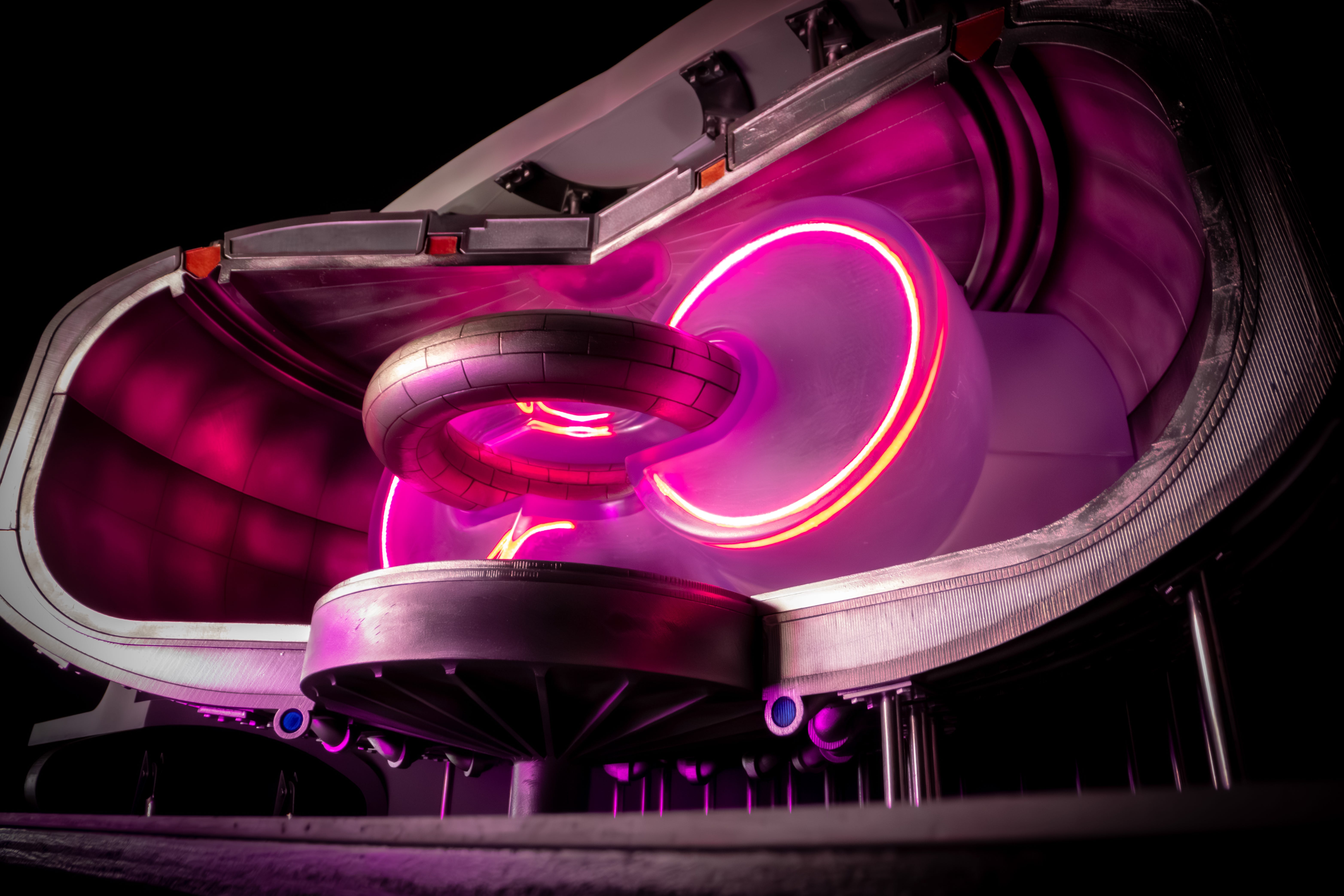
OpenStar Technologies has published a new study in Fusion Engineering and Design, outlining the blueprint for a Deuterium-Tritium (DT) fueled levitated dipole fusion power plant. The levitated dipole’s simplicity makes it a compelling choice for high-availability, competitive fusion power, a case now recognized by the fusion community through peer review. This places OpenStar among the exclusive group of private companies with peer-reviewed DT fusion power plant designs.
The levitated dipole is not a new concept. The late Prof. Akira Hasegawa, former Chairman of the American Physical Society Division of Plasma Physics, proposed the levitated dipole as a candidate for fusion power generation in his 1987 paper titled “A Dipole Field Fusion Reactor”, citing its simplicity as a core advantage. Later work by J. Kesner et al. 2004 expanded on the concept and proposed the levitated dipole as a possible candidate for advanced fuel fusion.
Professor Akira Hasegawa: “The proposal presented by OpenStar deserves serious support as an attempt to construct a realistic and most desirable fusion device.”
DT is the fuel cycle that gets fusion to the grid fastest. With the lowest ignition temperature and highest reactivity of any known fusion fuel, it enables smaller, cheaper power plants and the most viable near-term path to fusion at scale.
Dennis G. Whyte, Professor of Nuclear Science and Engineering at the Plasma Science and Fusion Center, MIT: “Achieving a fusion power plant design with a simpler and faster maintenance and component replacement has been a central challenge to the development of commercially viable fusion. OpenStar’s concept delivers a solution to maintenance, based on the fundamental geometry of their fusion confinement, that appears both distinct and attractive. With their First-Of-A-Kind levitated dipole reactor design, they present a defined and credible path to de-risk its innovative confinement physics and magnet technology that deserves serious attention from the fusion community.“
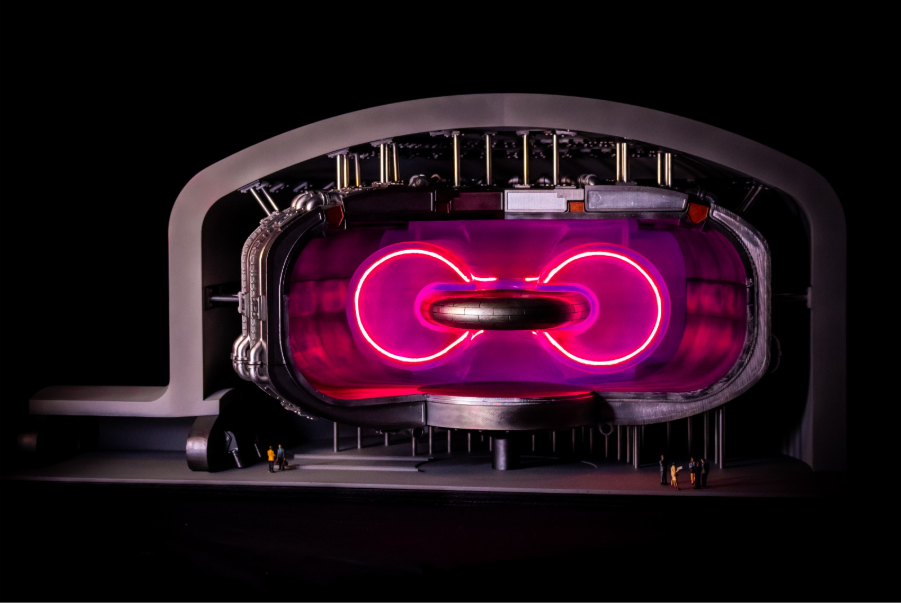
In this peer-reviewed study, OpenStar offers solutions to the key challenges associated with the levitated dipole:
Onboard thermal management:
A cryogenic solid-liquid slush is used as an on-board thermal reservoir for the superconducting systems on the levitating core magnet. This is a constant temperature system, which allows the removal of thermal energy to happen at the speed of pumping a fluid instead of the speed of thermal diffusion. This greatly increases the fraction of time producing electricity, known as duty cycle, and will allow OpenStar to build more practical power plants.
Optimized coil geometry:
The shape of the levitating high-temperature superconducting coil has been optimized to both reduce magnetic forces and increase plasma confinement performance. This allows the core magnet to produce a strong magnetic field (>20 T) while only requiring standard steels to contain the induced magnetic forces.
Neutron shielding:
The preliminary design of a radiatively-cooled layered tungsten-boron carbide neutron shield for the levitating core magnet was presented. This shield effectively protects the sensitive components of the levitating core magnet from the high energy neutrons generated by the fusing plasma.
Modular maintenance:
The best-in-class simplicity and modularity of the levitated dipole was applied to allow for a practical maintenance procedure. As the levitating core magnet is not coupled to the vacuum vessel as in other confinement schemes, the core magnet can be periodically swapped out and maintained outside of the reaction chamber. This allows for power to be produced while maintenance is carried out on damaged components, allowing OpenStar to accept shorter lifetimes on key components and making the levitated dipole ideally suited for reliable, high-availability power generation.
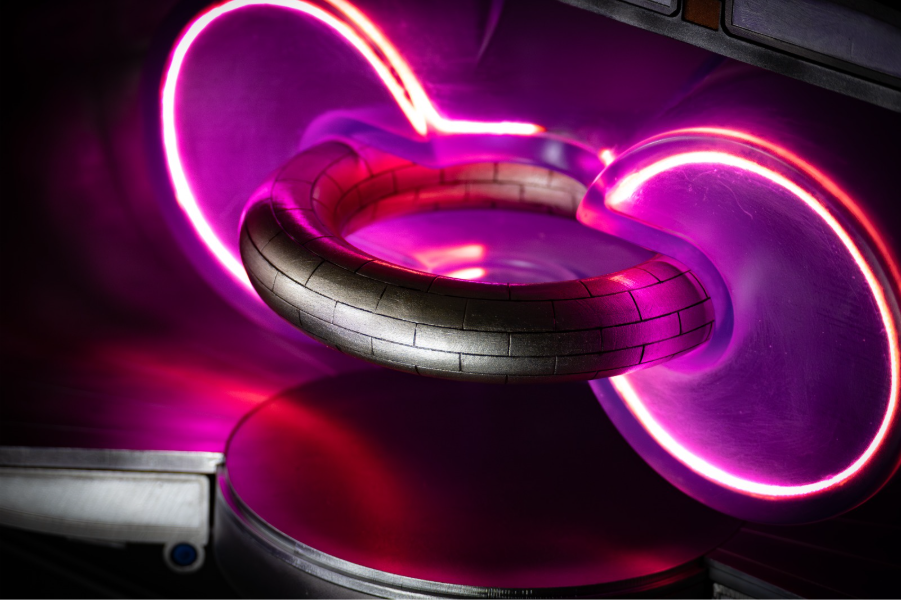
OpenStar has developed the levitated dipole from a promising experiment to a commercial contender. The publication of this technical paper marks a significant milestone and serves as an industry signal that the levitated dipole is a viable path forward.
Thomas Berry, OpenStar’s Chief Product Officer said: “A publication pushes you toward a real deadline. It’s its own version of a product, something we have to ship, and that forces us to bring rigor and clarity to our designs.”